

How my journey began
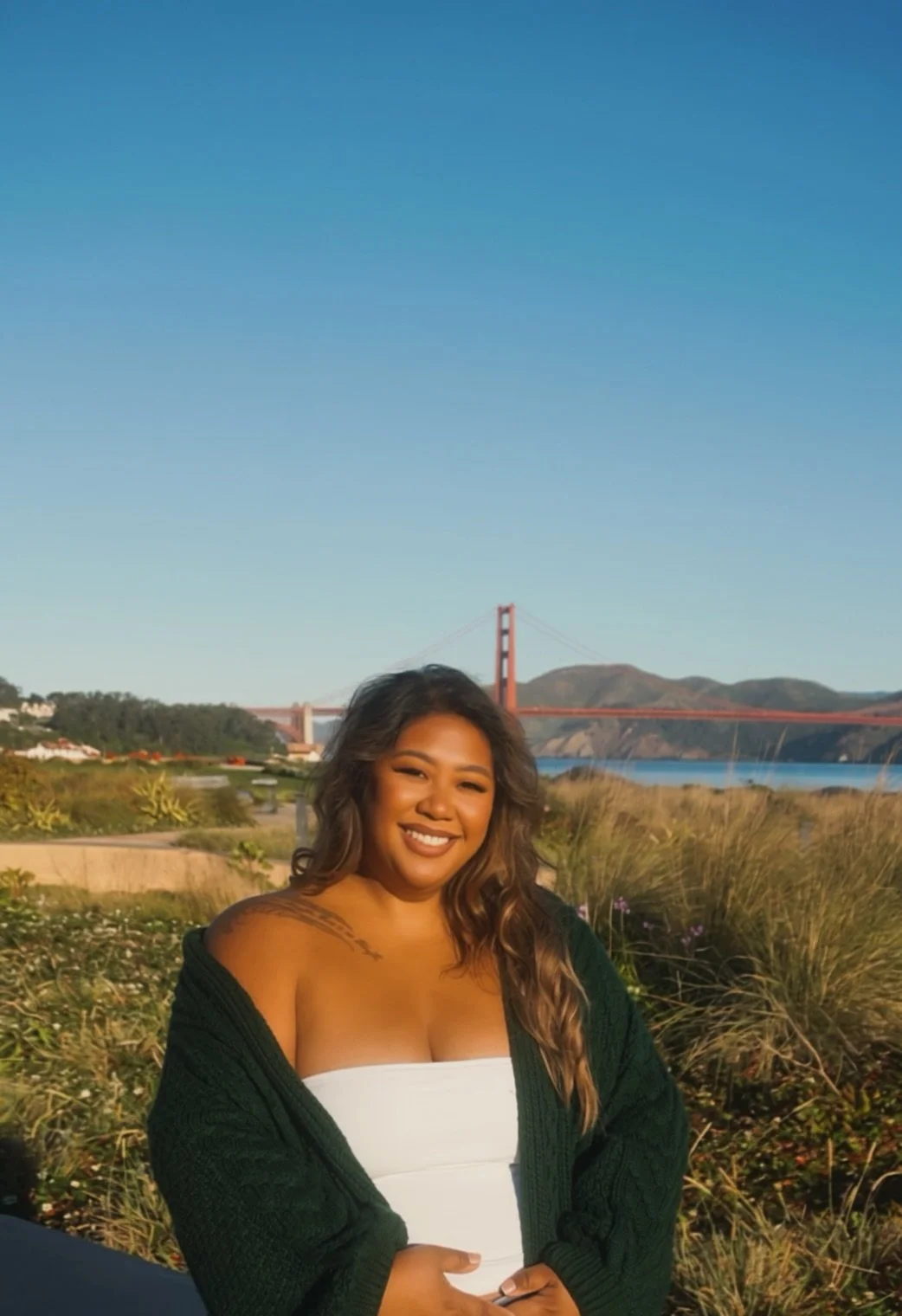
From a young age, I struggled with depression without fully understanding what it was or how to ask for help. Mental health was not openly discussed, and therapy felt distant and inaccessible. Among my peers, pain was normalized in unhealthy ways, and self-harm became something we treated as a coping mechanism rather than a warning sign. When one of my closest friends died by suicide, my own struggles intensified, and suicidal thoughts became persistent.
At fourteen, I was diagnosed with depression and anxiety. Group therapy, along with the support of my parents and friends, helped me begin stabilizing, but as I grew older, new challenges emerged. I became acutely aware of my body and how it was perceived. Comments about my weight, often from within my own community, shifted how I saw myself and deepened my self-loathing. That shame manifested in self-harm and reinforced the belief that my body and existence were problems to be fixed.
Managing my mental health became increasingly complex. At one point, I was prescribed nine different medications, many of which left me disconnected from myself and my daily life. The side effects compounded my insecurities, and even now, remarks about my appearance can be triggering reminders of that period.
In 2012, I survived sexual assault. That experience fundamentally changed my relationship with myself and with the systems meant to protect people. I reported the assault shortly after it occurred, and while my assailant was arrested, the legal process did not offer the sense of safety or closure I needed. The trauma intensified my existing mental health challenges and ultimately led to a diagnosis of Bipolar Disorder. In 2016, overwhelmed and exhausted, I attempted to take my own life.
Surviving that moment forced a reckoning. Waking up in a hospital made it impossible to ignore the reality that I was still here, and that meant something. Recovery was not immediate or linear, but over time, I began to understand that my experiences gave me insight into how trauma, mental illness, and the justice system intersect. I started to see how often survivors are expected to navigate these systems alone, without adequate support or information.
After surviving sexual assault, my desire to help others became more focused and intentional. Advocacy was no longer abstract; it was personal. I became committed to ensuring survivors are informed, supported, and taken seriously. That commitment ultimately led me to pursue public policy and, now, law school. Beginning in Fall 2026, I will continue this work with the goal of becoming a prosecutor; someone who understands trauma, believes survivors, and works to hold offenders accountable while pushing for a more humane and survivor-centered justice system.
I am deeply grateful for the friends and family who stood by me when I could not stand on my own. Their support reinforced what I now know to be true: survival is not weakness, and healing is not something that happens in isolation.
If you have experienced sexual assault, domestic violence, or mental health challenges, you are not alone. Your story matters. Support exists. Justice can take many forms, and rebuilding your life is one of them.
It all starts with you and your journey.
By sharing your story, you can help build a community of resilience and support. Through this platform, we can be vulnerable and start our journey of advocacy and healing.
-
Yes, you can absolutely share your story anonymously. Your identity will be protected unless you choose to disclose it. We prioritize your comfort and privacy.
-
We welcome stories about your experiences with trauma, your healing journey, and any thoughts you have on the policies you believe should change to better support survivors. It can be as short or as detailed as you’d like.
-
No, you only need to share what you are comfortable with. You can include as much or as little detail as you like. Your story is yours to tell in your own way.
-
Once you submit your story, you will be asked to provide explicit permission for it to be posted on the blog. If at any point you change your mind, you can withdraw your permission, and your story will be removed.
-
Yes! We encourage survivors to share any thoughts they have on how policies could better support people going through similar experiences. Your insights could help drive important policy reforms.
-
Not at all. Healing is a continuous process, and your story is valuable whether you’re just beginning your journey or have been healing for a long time.
-
By sharing your story, you help create a sense of community and understanding for other survivors. Your story can inspire, educate, and provide hope to those going through similar situations. Additionally, your insights on policy reform can contribute to meaningful changes.